Private Morocco itineraries planned around the flights that actually leave the United States — and around how much time you really have once you land.
Royal Air Maroc is the only non-stop from the USA, flying New York (JFK) and Washington (IAD) into Casablanca; every other route connects through Europe. Because the journey costs close to two days round trip, we tell US travellers that 10 to 14 days is where a Morocco trip stops feeling rushed. US passport holders need no visa for stays under 90 days.
There is one non-stop option from the USA — Royal Air Maroc flies New York (JFK) and Washington (IAD) into Casablanca. Everything else connects through Europe, most often Paris, Madrid, Lisbon or London, landing in Casablanca or Marrakech. We plan the ground itinerary around whichever airport your flight actually uses, and we meet you there.
Most US routes connect via Europe into Marrakech (RAK) — the fastest gateway to the Sahara.
Casablanca (CMN) takes the only non-stop flights from the USA, on Royal Air Maroc from New York and Washington.
With long-haul flights either side, most US visitors get the best value from a 10-day-plus loop.
Transatlantic flights from the East Coast usually travel overnight, and Morocco is several hours ahead, so most travellers land tired with a whole day in front of them. Day one is an airport pickup, a private transfer to your hotel or riad and, at most, a gentle walk. The Sahara is around nine hours by road from Marrakech, so we never start the desert leg before you have had a proper night's sleep. West Coast travellers, or anyone connecting through Europe, often benefit from a second slow day. Land in Casablanca and you can stay a night to see the Hassan II Mosque, or transfer straight on — send us your arrival time and we will suggest which suits it.
Flying from the US East Coast costs you the better part of two days in the air and in transit. That changes the maths on trip length: a 4-day trip is mostly travel. We tell US travellers plainly that 10 to 14 days is where a Morocco trip stops feeling rushed — enough for the Sahara, the High Atlas and two imperial cities without a punishing drive every morning. Seven days works if you pick one region and stay in it.
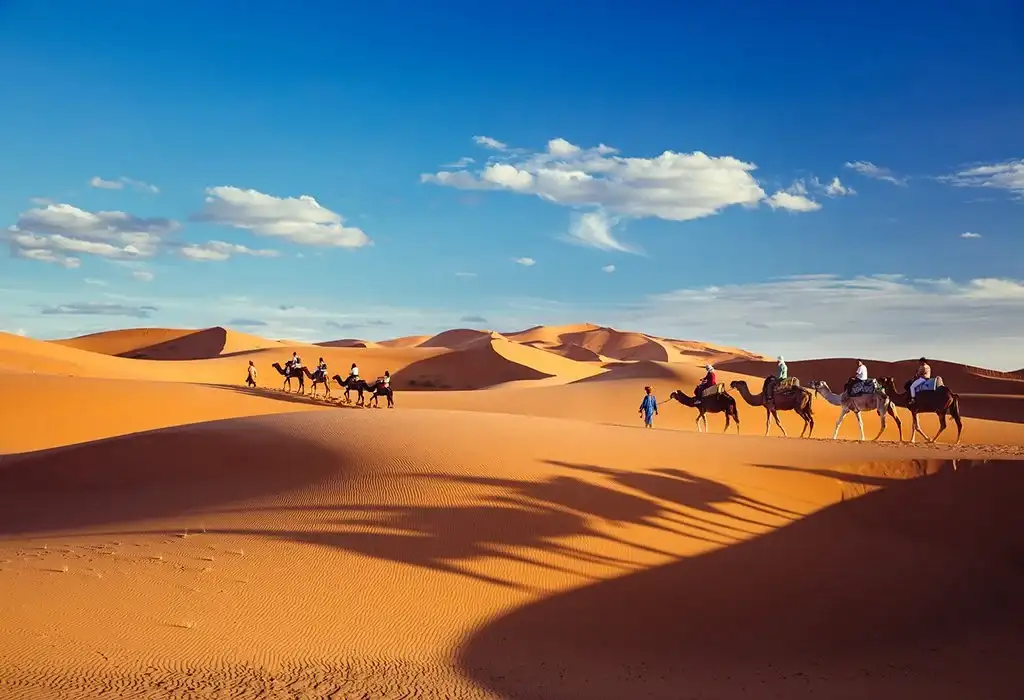
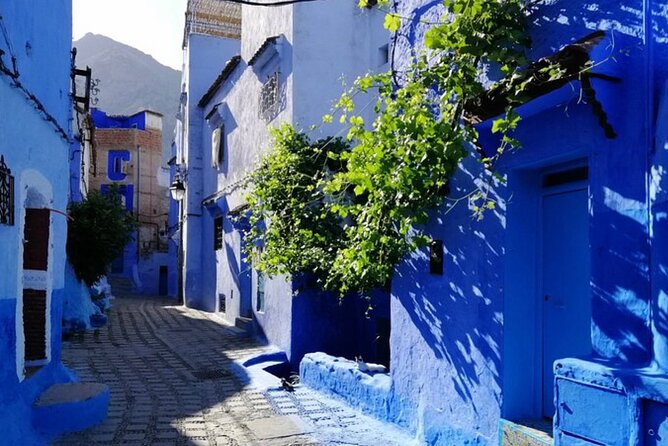
Casablanca suits the non-stop flights and a north-first loop. Our seven-day Sahara and imperial cities tour runs via Rabat, Chefchaouen and Fes to the Merzouga dunes, then back through the Dades Gorges to Marrakech. The 11-day grand tour from Casablanca adds a free day in Chefchaouen, and the 14-day grand Morocco tour ends with two nights in Essaouira before returning to Casablanca. See all our desert and grand tours from Casablanca.
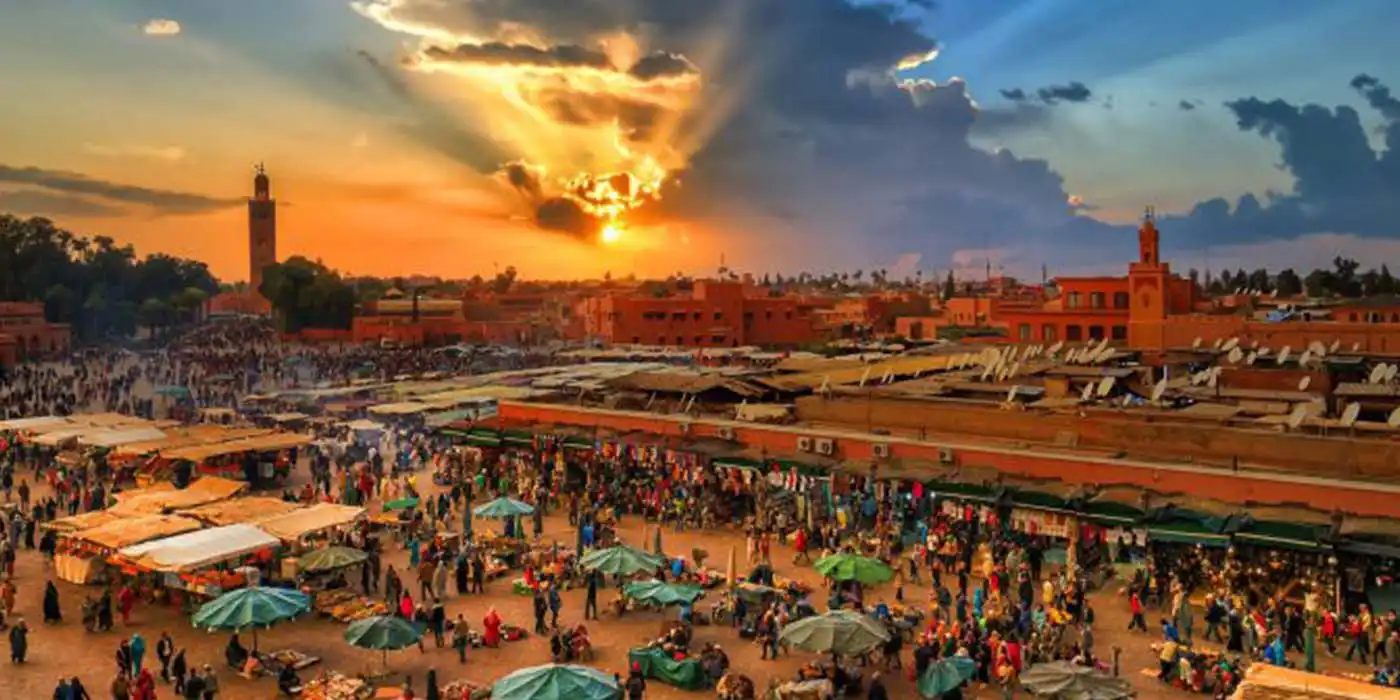
Connecting through Europe into Marrakech, the loop runs the other way: over the High Atlas and through the gorges to Merzouga, north to Fes and Chefchaouen, and back via Rabat — the shape of our 11-day around-Morocco tour from Marrakech. On a shorter trip, pair a few nights in the city with the four-day Merzouga desert tour, or browse the places most worth your time in Morocco first.
US passport holders do not need a visa for stays under 90 days. The currency is the dirham, which you cannot buy before you arrive — withdraw at the airport. English is widely spoken in the tourism trade even though Darija and French run daily life. Our tours to Morocco from the USA are run by a licensed Marrakech operator, not a reseller, so the person who plans your trip is the person who answers when something changes.
Use ATMs at the airport and in the cities. Larger hotels and many city restaurants take cards, but souks, village stops and desert camps run on cash.
Tipping is customary for restaurant staff, porters, drivers and guides. Gratuities are not included in our tour prices, so what you give is up to you; keep small notes handy.
Sockets are European two-round-pin (types C and E) at 220 volts, so US plugs need an adapter.
Local SIM cards are sold at the airports, and most hotels and riads have Wi-Fi. Signal is patchy in the mountains and dunes, and desert camps have limited electricity — bring a power bank.
Every trip is private and built around your flights, so our tour pages show prices as “By Request”. Send the trip request form with your dates, arrival city and a rough budget in US dollars, and we reply within 24 hours with a day-by-day itinerary and a price. Prefer to talk? Message us on WhatsApp at +212 666 107 312 — our working day starts while the East Coast is still asleep. Once your flights are booked, we time the airport pickup to your landing, and during the trip you have direct WhatsApp contact with your guide and our office. Read more about our Marrakech team.
Yes. Royal Air Maroc flies non-stop from New York (JFK) and Washington (IAD) to Casablanca. All other routes from the USA connect through a European hub such as Paris, Madrid, Lisbon or London.
Ten to fourteen days. Because the flight from the USA costs close to two days round trip, shorter trips end up being mostly travel. Ten days covers the Sahara, the High Atlas and two imperial cities at a reasonable pace.
No. US passport holders can enter Morocco visa-free for stays of up to 90 days. Your passport should be valid for at least six months beyond your arrival date.
Yes. Morocco is one of the more stable destinations in the region and tourism is a major part of the economy. Normal city precautions apply in the Marrakech and Fes medinas, particularly around pickpocketing in crowded souks.
Land costs on our tours to Morocco from the USA typically run from around 150 to 350 USD per person per day for a private tour with driver, vehicle and accommodation, depending on season and hotel standard. International flights are separate.
Yes. Morocco uses European-style two-round-pin sockets (types C and E) at 220 volts, so US plugs need an adapter. Most phone and laptop chargers handle both voltages, but single-voltage appliances such as some hair dryers do not.
Tell us your dates and what you want to see. We reply within 24 hours with a real itinerary and a firm price.
Request a quote Contact us